
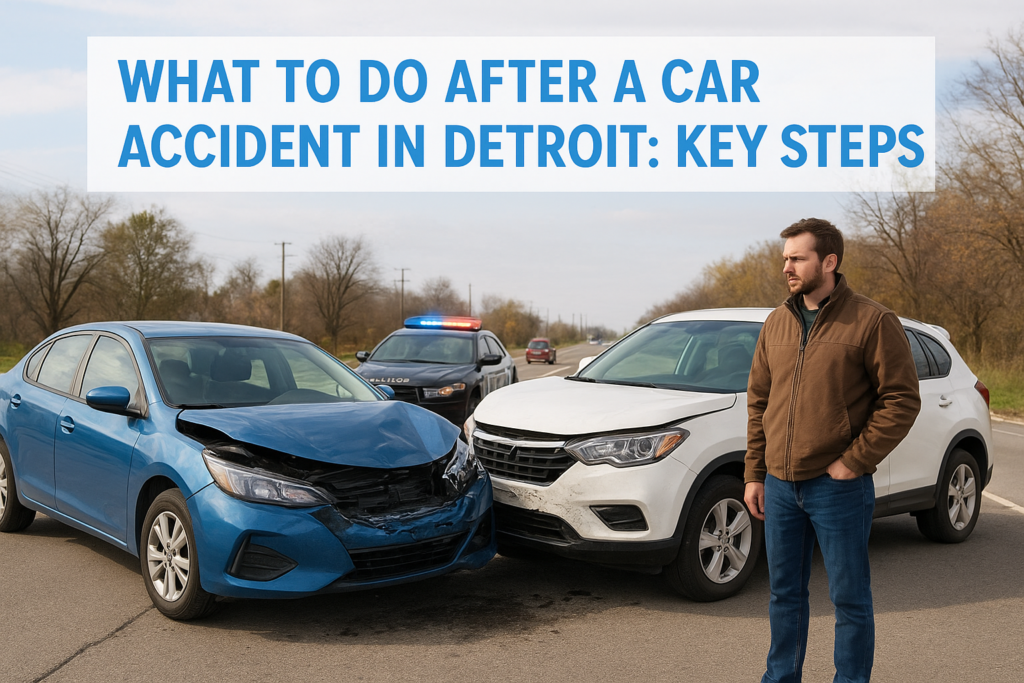
The seconds after a crash on the Lodge, I-94, or Michigan Avenue are confusing. Your heart is pounding, traffic is still moving, and you have no idea what to do first. Knowing what to do after a car accident keeps you safe and protects your claim.
Here is the short version. Check for injuries and call 911, then move to a safe spot if your car can be driven. Turn on your hazards, wait for police, and get a report number. Exchange names, plates, and insurance details, photograph everything, and call your insurer the same day.
This guide walks through each step in order, with Detroit specifics: dealing with DPD or Michigan State Police, handling icy shoulders and rush-hour traffic, and knowing when your car should not be driven. At Skyline Towing, based at 6450 E Hancock St, Detroit, MI 48207, we respond to wrecks across Metro Detroit every week. We will also explain when to call a tow truck and what to tell the driver.
Before you start: what Detroit drivers should know
Every crash plays out differently, but a few local facts shape each step in this guide. Read them now, while you are calm, because you will not want to look them up on the shoulder of I-94 with your hands shaking.
Who responds depends on where you crash
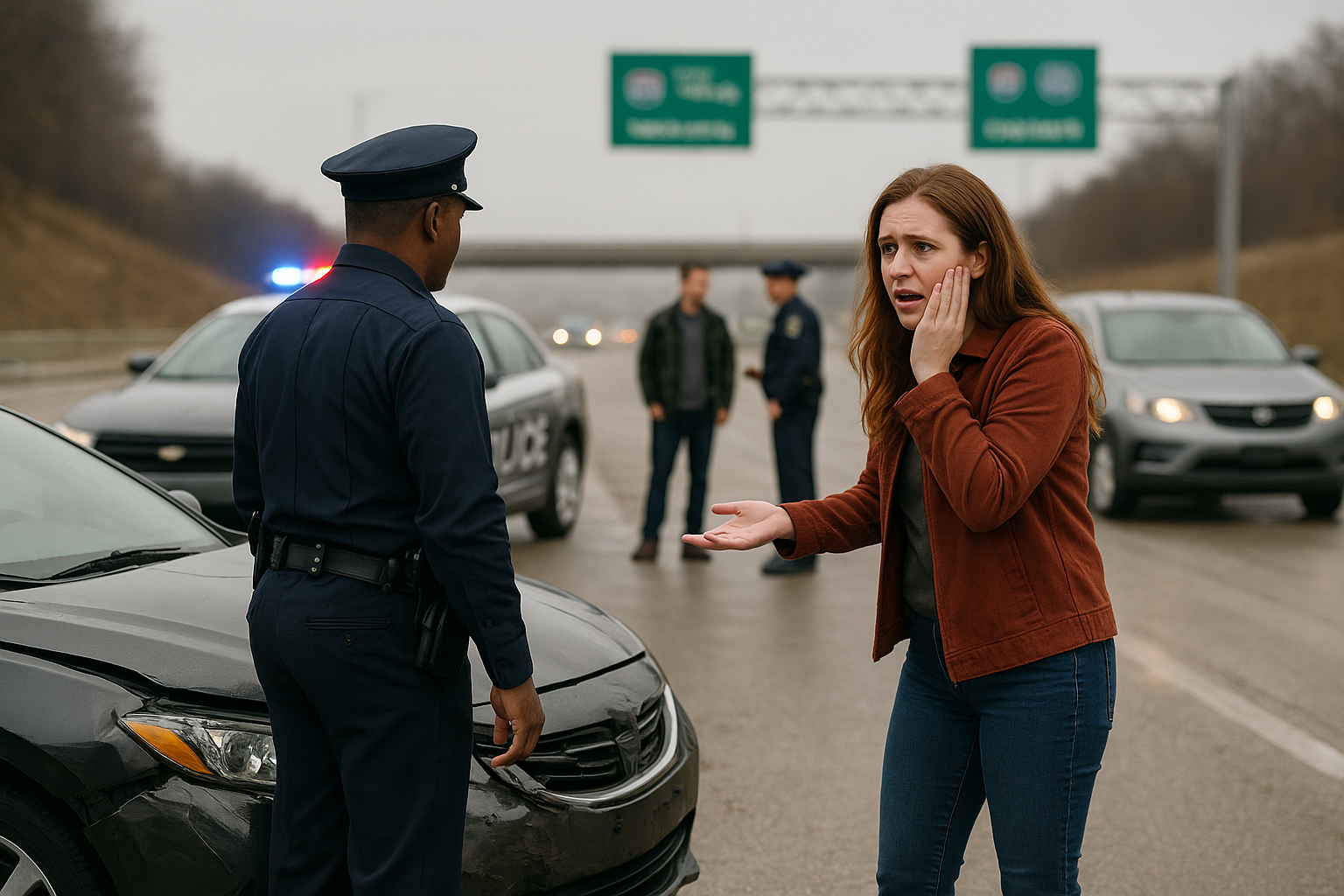
Where you are decides who shows up. Detroit Police handle surface streets, and Michigan State Police cover the freeways. Suburban crashes go to the local department. Knowing this helps you give the 911 dispatcher an exact location and understand where your report will come from.
| Where the crash happened | Who usually responds |
|---|---|
| Michigan Ave, Gratiot, Woodward, Jefferson | Detroit Police Department |
| I-94, I-96, I-75, the Lodge (M-10), I-375 | Michigan State Police |
| Dearborn, Southfield, Livonia, Taylor | That city’s police department |
Tell the dispatcher the nearest cross street, exit number, or mile marker. On a freeway, say which direction you were traveling. Responders find you faster, and your report number will be tied to the right agency when you call your insurer later.
Michigan rules that affect your claim
Michigan’s no-fault system means your own insurer pays your medical bills through personal injury protection (PIP), no matter who caused the crash. That is why your policy information and the date of the accident matter from the first hour. Michigan law also requires a police report when anyone is hurt or property damage looks like $1,000 or more. Almost every real collision clears that bar.
Stay at the scene, call 911, and get a report, even when the damage looks minor.
One more rule worth knowing is mini-tort. It lets you recover up to $3,000 in vehicle damage from an at-fault driver, which can cover part of your collision deductible. You can only pursue it if you have that driver’s name, plate, and insurance details. Skipping the exchange to avoid an awkward conversation costs people real money.
Detroit conditions that make a bad day worse
Local conditions raise the stakes. Black ice forms on overpasses and ramps after lake-effect snow, potholes on Gratiot and Michigan Avenue throw drivers into the next lane, and the Lodge has narrow shoulders with traffic moving fast. Those realities are why staying visible and getting off the travel lanes come up so often in the steps ahead.
Keep a small kit in the car so you are not scrambling after a hit:
- Current insurance card and registration, in the glove box
- A phone charger or fully charged power bank
- A flashlight and reflective triangles or road flares
- A pen and paper, since phones die in the cold
- A blanket, gloves, and an ice scraper from November through March
We run calls like these across Metro Detroit every week, and the drivers who handle them best had one thing in common. They knew their first three moves before anything happened. The next section gives you those moves.
Step 1. Stop, stay calm, and check for injuries
Stop and take one slow breath
Stop right away, even if the hit felt minor. In Michigan, driving off after a crash that caused damage or injury can lead to criminal charges. Put the car in park, shut off the engine, and switch on your hazard lights.
Then breathe. Count five in, five out. Crashes on the Lodge or I-94 happen fast, and your body floods with adrenaline. That adrenaline hides pain, so a calm pause helps you think straight. Do not argue with the other driver, and do not admit fault. Stick to facts when police arrive.
Check yourself and everyone in the car
Ask each passenger out loud if they are hurt, kids first. Then check yourself from head to toe. Knowing what to do after a car accident starts with spotting these warning signs:
- Neck or back pain, tingling, or numbness
- Headache, dizziness, confusion, or blurred vision
- Chest or belly pain, often from the seatbelt or airbag
- Visible bleeding, or a smell of fuel or smoke
Feeling fine does not mean you are fine. Whiplash and concussion symptoms often show up hours later, sometimes the next morning. Get checked by a medical professional within a day, and write down when your symptoms began. Michigan no-fault PIP claims go smoother when your records start early.
If someone is hurt
Call 911 before you do anything else. Tell the dispatcher how many people are injured and whether anyone is unconscious or trapped. Do not move anyone with neck or back pain unless fire, smoke, or oncoming traffic puts them in immediate danger. Moving a spinal injury can make it worse.
If anyone might be hurt, call 911 first and sort out everything else later.
Look at the other vehicles too. If you can do it safely, ask the other driver and their passengers whether they are okay. Stay out of live lanes while you do. On a snowy night on Gratiot or the Southfield Freeway, a person walking between cars is easy for the next driver to miss. If you cannot reach the other car without stepping into traffic, stay put and let responders handle it. Once everyone is accounted for, you are ready to get out of harm’s way.
Step 2. Get to safety and call 911
Move the car only if it is safe
If the car runs and nobody is seriously hurt, pull onto the shoulder or a nearby side street. If you can do it in seconds, take two quick photos of where the cars ended up first. A stopped car in a live lane of I-94 or the Lodge can get hit again, and a second impact is a real risk you can avoid.
Your car can be repaired, so get yourself and your passengers out of the travel lanes.
Leave the car where it is if any of these apply:
- Anyone has neck or back pain
- You see smoke, or you smell fuel
- A wheel is bent, or the car will not move
- You cannot reach a shoulder without crossing traffic
In those cases, keep your hazards on and stay put until help arrives.
Call 911 and be specific
Call 911 even when the damage looks minor. A dispatch record puts the crash on paper and sends the right agency, whether that is DPD, Michigan State Police, or a suburban department. Give the location first, because location is what gets help moving. Then stay on the line until the dispatcher says you can hang up.
Here is a script you can follow:
I'm in a two-car crash on eastbound I-94 near the Conner exit.
No one is hurt. Both cars are on the right shoulder.
I'm in a gray Ford Escape with my hazards on.
If someone is injured, say so in your first sentence. Also mention fluid on the road, a blocked lane, or a driver who seems confused or impaired.
Wait where you will not be hit
Safety while you wait matters as much as any other part of what to do after a car accident. On a side street, stand on the curb or sidewalk, well away from the vehicles. On a freeway with a wide shoulder, stand behind the guardrail if one is close.
On a narrow shoulder with fast traffic, such as the Lodge or the Southfield Freeway in snow, stay buckled in with your hazards on. Never walk across lanes to reach the other driver. Set out flares or reflective triangles only if you can do it without stepping into traffic, and wait for the officer to arrive.
Step 3. Exchange information and document the scene
Trade the details you need
Once police are on the way and everyone is safe, swap details with the other driver. Stay polite and stick to facts, and never say "it was my fault," even as a courtesy. You need their insurance information to file your claim and to use mini-tort.
- Full name and phone number
- Insurance company and policy number
- Driver’s license number
- License plate, make, model, and color
- Names and numbers of any witnesses
Photograph the license and insurance card instead of copying them by hand. One wrong digit on a plate can stall a claim for days. If the other driver refuses to share details, do not argue. Tell the officer and write down the plate number yourself.
Photograph the scene before it changes
Your phone is your best witness. Shoot wide first, then close, and capture everything before the cars move if it is safe to do so. Take these shots:
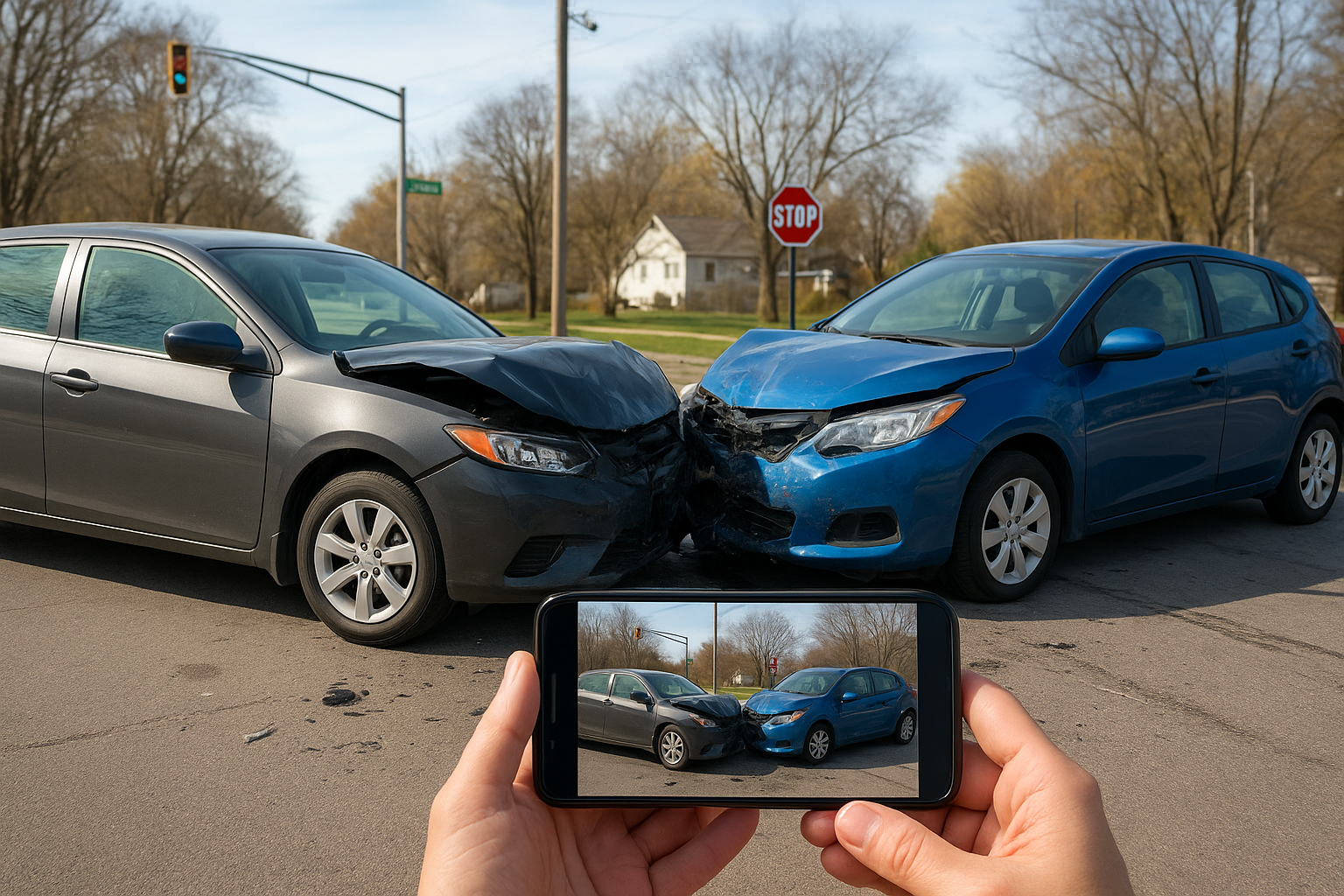
- Both vehicles from all four corners
- Close-ups of every dent, scrape, and broken part
- Plates, street signs, and traffic signals nearby
- Skid marks, debris, and any fluid on the road
Photograph the scene before the cars move, because the evidence disappears fast.
Winter adds a wrinkle. Snow and slush hide damage and skid marks within minutes. If black ice, a pothole, or a blocked sign played a part, photograph it too. Add a quick voice memo or note on your phone about what happened while it is fresh.
Get the police report details
Before the officer leaves, ask for the report number, the officer’s name and badge number, and the agency that responded. Michigan crashes are logged on a traffic crash report, and your insurer will ask for that number first. This paperwork is the part of what to do after a car accident that people skip, then chase for weeks.
When you call your insurer later, you can request the full report from the responding agency, whether that is DPD, Michigan State Police, or a suburban department. With your photos and details saved, you can think about the car. If it cannot be driven, that decision comes next.
Step 4. Get your car towed the right way
Decide if the car can be driven
Some cars look fine and are not. Hidden suspension, steering, or cooling damage can strand you halfway down the Lodge. Call a tow truck if any of these are true, and let the car ride instead of drive:
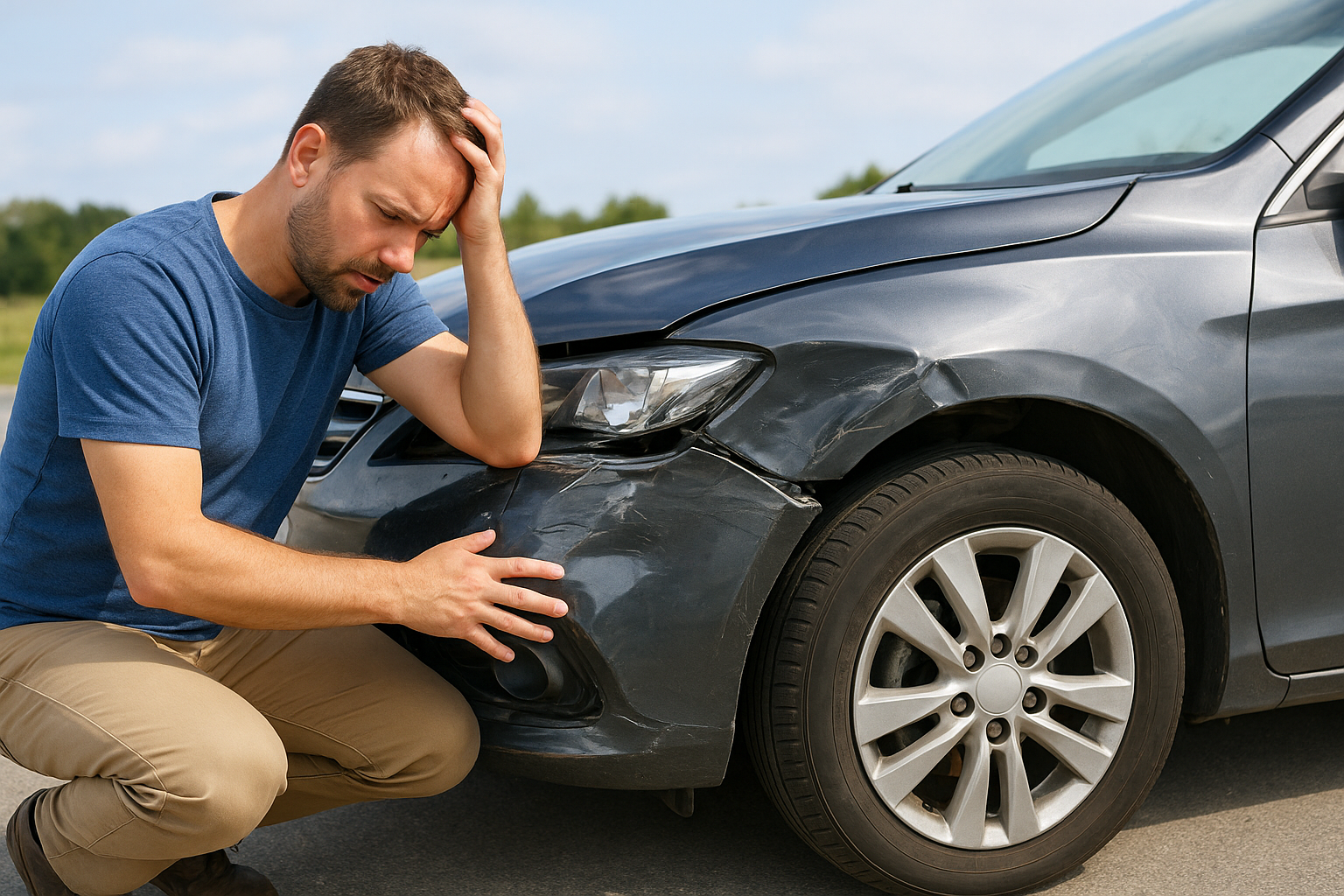
- Fluid is leaking, or the hood will not latch
- A tire is flat, or a wheel sits at an odd angle
- The steering pulls hard, or warning lights stay on
- Panels rub the tires, or a bumper hangs low
When in doubt, do not drive it. Knowing what to do after a car accident includes knowing when to stop trying to be the hero.
Choose your own tow, not the first truck that stops
Uninvited trucks sometimes roll up to crash scenes in Detroit before police arrive. Their drivers push fast decisions and quick signatures. Never accept a tow you did not call, and never sign a blank form.
Never let a stranger’s truck decide where your car goes.
Police may order a tow to clear a lane. In that case, a rotation company is usually dispatched. Ask the officer where the car is going and what it will cost, and whether you can use your own provider instead. Also check your policy. Many insurers include roadside coverage that pays for towing, so one call may save you the bill.
Tell the dispatcher what they need
Give the dispatcher details so the right truck shows up the first time. A flatbed tow matters for all-wheel-drive cars and anything with front-end damage. Here is what to say:
Location: westbound I-96 at the Telegraph exit, right shoulder
Vehicle: 2019 Honda CR-V, all-wheel drive
Damage: front bumper crushed, car will not steer
Keys: I have them
Destination: my body shop in Taylor (or my home)
When the truck arrives, photograph your car on the hook and take your valuables, plates, and paperwork out of it. Then get an itemized receipt with the storage address, hours, and daily fees. Skyline Towing runs flatbeds and accident recovery from 6450 E Hancock St, Detroit, so we are never far from a Metro Detroit crash. Once the car is moving, you can make the call that keeps your claim on track.
Step 5. Notify your insurer and follow up
Call your insurer the same day
Start with the phone call. Report the crash the same day, even when the other driver caused it. Under Michigan no-fault, your own insurer handles your PIP medical benefits, and a late report gives an adjuster room to ask questions. Many policies also require prompt notice. Have this ready before you dial:
- Policy number and the date, time, and location of the crash
- Police report number and the responding agency
- The other driver’s name, plate, and insurance details
- Your photos and notes
- The tow company’s name and where your car is stored
This is the last piece of what to do after a car accident, and it protects everything you did at the scene.
Say what you know, and nothing more
Facts are your friend on this call. Describe what happened, where, and what damage you saw. Do not guess at speeds, distances, or who was at fault, and do not downplay injuries. If you say "I’m fine" and neck pain shows up on Tuesday, that sentence follows you.
Report the crash fast, but report only what you actually know.
Be careful with the other driver’s insurance company too. Their adjuster may call within a day and ask for a recorded statement. You can decline until you have talked to your own insurer, and you should never accept a quick settlement offer before you know the full extent of your injuries and repairs.
Follow up until the claim closes
Write down your claim number and your adjuster’s name and direct line before you hang up. Then keep a simple log of every call, email, and receipt. Paperwork wins disputes, and a clean record saves you from repeating yourself for weeks.
| When | What to do |
|---|---|
| Within 24 hours | Call your insurer and see a doctor |
| Within a week | Request the crash report and get a repair estimate |
| Ongoing | Save medical bills, rental receipts, and towing and storage invoices |
Mind the deadlines too. Michigan generally gives you one year to give notice of an injury for PIP benefits, and mini-tort claims have their own time limit. Do not wait to find out. If your car sits in a storage lot, ask your adjuster to move it quickly, because daily storage fees pile up.
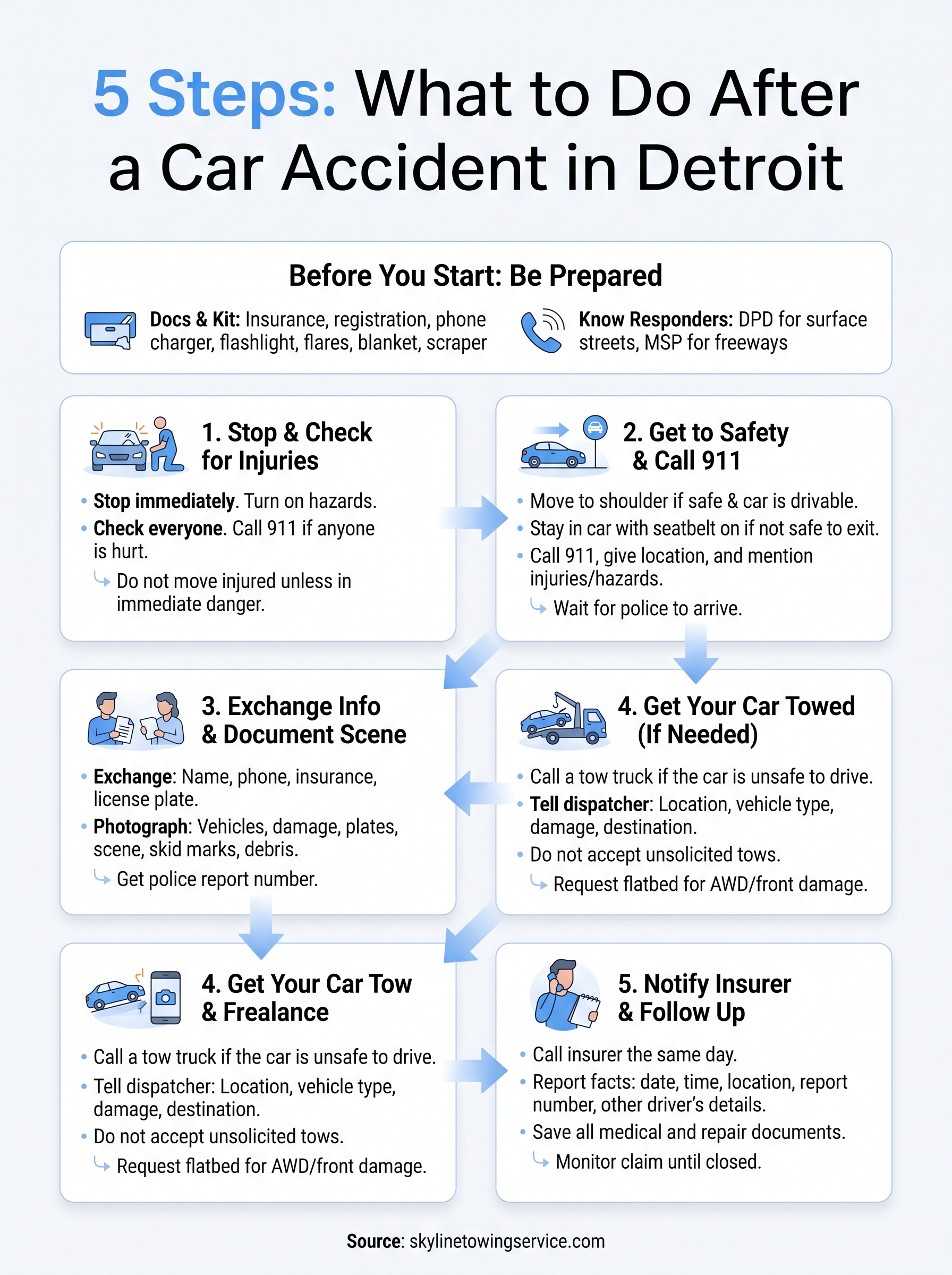
Keeping your head after a crash
A crash feels chaotic, but your response does not have to be. Check for injuries and call 911, get out of the travel lanes, trade information, and photograph the scene. Tow the car if it is not safe to drive, then call your insurer the same day. Do these in order and you protect both your health and your claim.
Nobody expects perfection on the shoulder of I-94 at rush hour. Staying calm, sticking to facts, and saving this checklist on your phone is what to do after a car accident when nerves take over.
If your car cannot be driven, call Skyline Towing for 24/7 accident recovery. We dispatch from 6450 E Hancock St, Detroit, MI 48207, and cover Detroit, Dearborn, Southfield, Taylor, and Livonia. Our flatbeds and local drivers get you and your car where you need to go.