
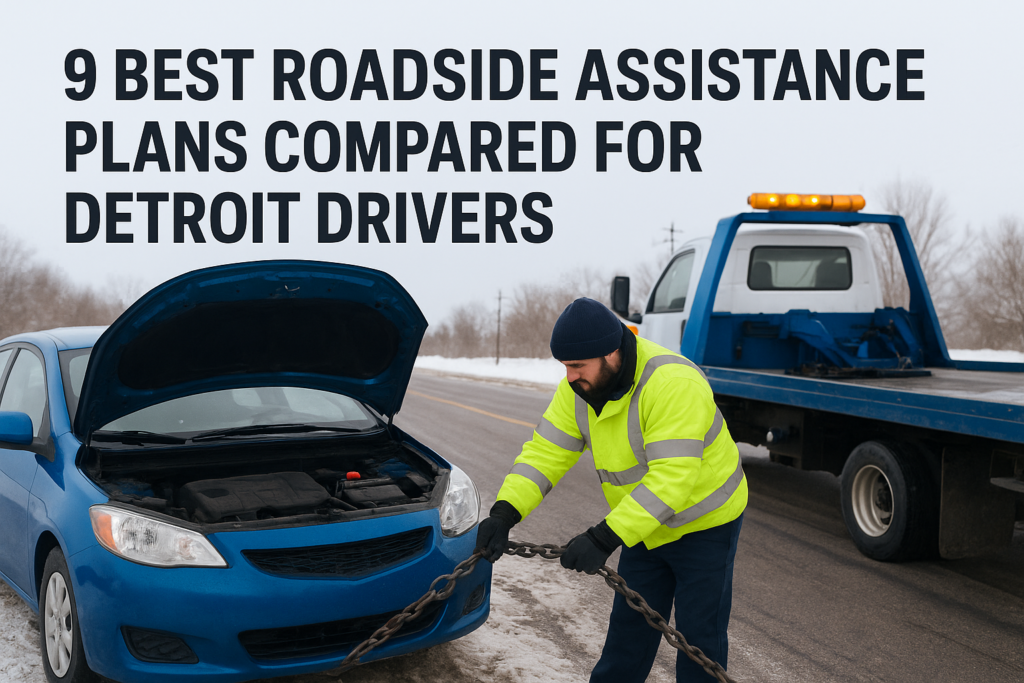
Your car dies in a Meijer parking lot on Fort Street, or you slide into a curb on I-96 during the first snow of the season, and suddenly you’re scrolling through options at 11pm trying to figure out who to call. Metro Detroit winters and pothole season on Woodward Avenue mean breakdowns happen more often here than in most places, so picking the right coverage matters. This guide breaks down the best roadside assistance plans available to Detroit drivers, comparing cost, coverage limits, and what actually happens when you press the panic button on an app versus dialing a local tow company.
We’ve spent years pulling cars out of snowbanks in Southfield and jumping dead batteries outside Dearborn Heights, so we know which plans deliver and which leave you waiting two hours for a truck. This comparison covers cheap roadside assistance plans alongside premium options, weighing what you get for the price against realistic Detroit wait times.
Below you’ll find nine plans broken down by price, coverage area, and response speed, plus honest notes on where a national membership falls short compared to calling a local outfit like Skyline Towing at 6450 E Hancock St. By the end, you’ll know exactly which plan fits your driving habits and your budget.
1. Skyline Towing: 24/7 roadside help for Detroit drivers
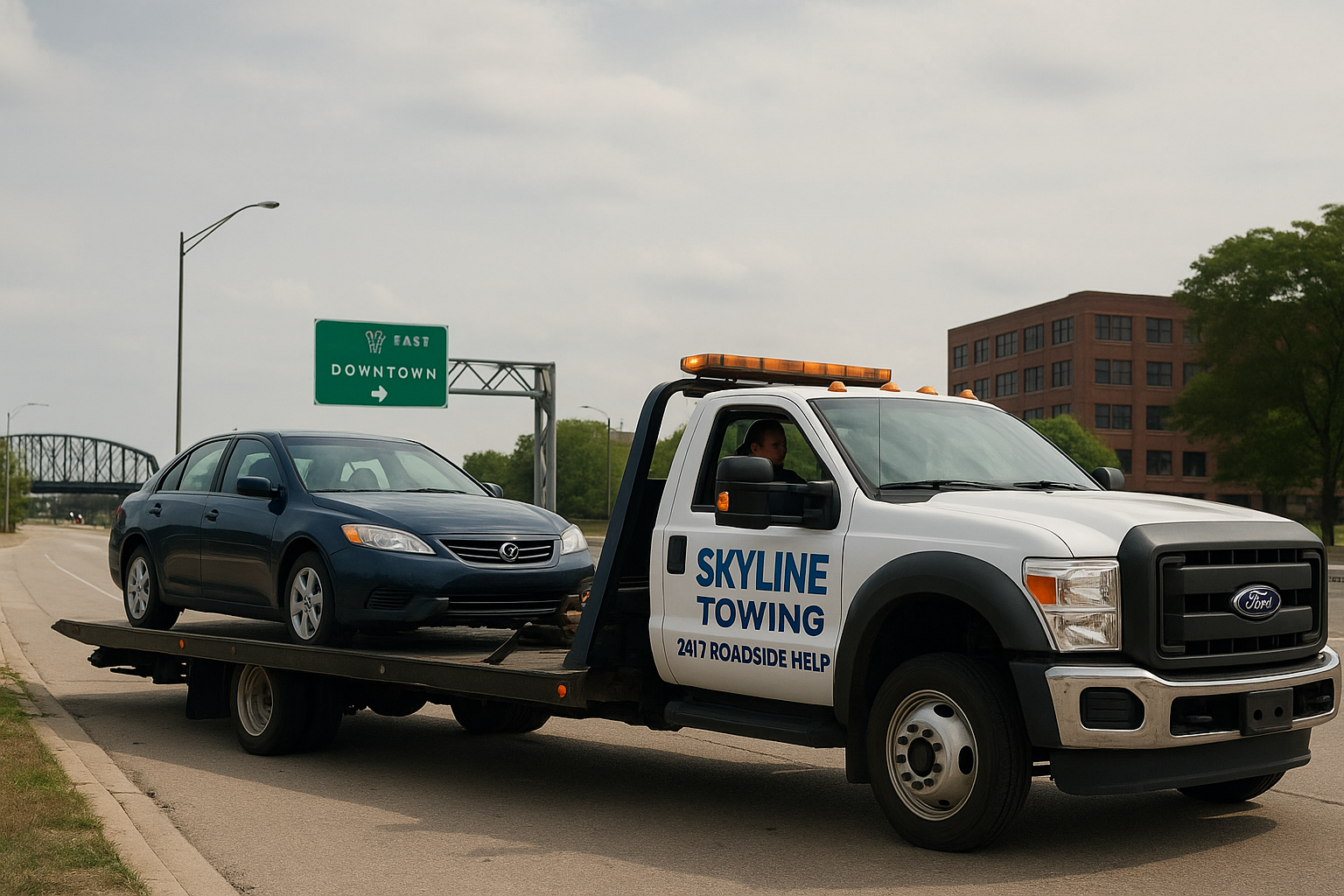
Skyline Towing sits at 6450 E Hancock St in Detroit, and that location matters more than most people realize. When your car quits on I-75 near the Ambassador Bridge or you’re stranded in a Southfield office parking lot after dark, a local dispatch means a truck that already knows the shortcuts around construction on the Lodge Freeway. This isn’t a call center in another state routing you to a random contractor. It’s a Detroit crew that handles Metro Detroit roads every single day.
How it works
You call our dispatch line directly, day or night, and talk to a real person who knows the difference between Dearborn Heights and Dearborn proper. There’s no app to download, no membership number to dig up while you’re standing on the shoulder of Telegraph Road in the rain. You describe where you are and what happened, and we send the nearest available truck. Most Detroit calls get a driver on scene in well under an hour, and often much faster depending on traffic and time of day.
A local dispatch that already knows Detroit’s roads beats a national call center every time you’re stuck on the shoulder.
What’s covered
Skyline handles the full range of roadside emergencies, not just tows. Here’s what’s included:
- Emergency towing for breakdowns, accidents, and stuck vehicles
- Jump starts for dead batteries
- Lockout service when keys get locked inside
- Flat tire changes and mobile tire sales and installation
- Winch outs for cars stuck in snowbanks or ditches
- Accident recovery and heavy duty towing for larger vehicles
- Private property towing and parking enforcement for businesses
- Dealer transport and salvage auction transport
That range means one call covers almost anything that can go wrong on a Detroit street, whether it’s a dead alternator on Grand River Avenue or a truck that slid off the road during a lake-effect snow squall.
Cost
Skyline works on straightforward, transparent per-service pricing rather than a locked-in annual membership fee. You pay for what you use, which works out cheaper for drivers who only need help once or twice a year. There’s no upfront cost sitting on your credit card statement every January whether you use it or not. For exact rates on your specific situation, our team quotes what roadside help costs in Detroit over the phone before the truck ever leaves the yard, so there are no surprises when you’re already having a bad night.
Who it’s best for
Skyline fits Detroit, Dearborn, Southfield, Taylor, and Livonia drivers who want fast, dependable help with no membership required and no nationwide plan they’ll rarely use outside Michigan. If you value local response times and a company that actually knows the metro Detroit grid, this is your best call. Check our full list of towing and roadside services to see everything covered.
2. AAA membership plans
AAA is the plan most Detroit drivers grew up hearing about, and it’s still one of the biggest names when you weigh the major plans against each other across the country. Membership works through tiers, and the coverage you get scales with what you pay, which makes it a solid baseline for people who want a well-known safety net rather than a local relationship.
How it works
Members call a national dispatch line or use the AAA app to request help, and the request routes to a contracted tow provider in your area, not necessarily an AAA employee. Response times in Metro Detroit vary depending on how many contractors are covering Wayne, Oakland, and Macomb counties that night, so a snowstorm on I-696 can mean a longer wait than you’d expect.
What’s covered
Basic membership includes towing up to a set mileage limit, battery jump starts, flat tire changes, lockout service, and fuel delivery, so anything past that cap becomes a long distance tow you pay for yourself. Higher tiers stretch the tow distance and add extras like trip interruption reimbursement.
Bigger membership tiers buy longer tow distances, but they don’t buy a faster truck on a snowy Detroit night.
Cost
Basic plans typically run in the range you’d expect from a nationwide membership, with premium tiers costing noticeably more per year. Renewals happen automatically, so you’re paying whether or not you break down that year.
Who it’s best for
Road trippers who cross state lines often benefit most from AAA’s national network. Detroit-only drivers who rarely leave Wayne or Oakland County usually get more value paying per service through a local provider instead.
3. Geico roadside assistance add-on
Geico bundles roadside help right into your car insurance policy, so a lot of Detroit drivers already have access to it without realizing it. It’s marketed as a cheap way to add coverage since it rides on top of a policy you’re already paying for, rather than a standalone membership fee.
How it works
You add the endorsement when you set up or renew your Geico auto policy, then call the roadside number on your insurance card when you break down. Geico doesn’t send its own trucks. It contracts with local towing companies in your area, and which one shows up depends on who’s available that night. Around Detroit, that can mean a longer wait if the contracted company is already tied up on the Southfield Freeway during rush hour.
What’s covered
Standard coverage includes towing to the nearest repair shop, battery jump starts, flat tire changes, lockout service, and emergency fuel delivery when you run dry. Coverage limits are modest, and towing distance caps out quickly compared to some premium roadside plans.
Bundling roadside help into your insurance saves money upfront, but you’re still waiting on whichever contractor Geico calls that night.
Cost
The add-on typically costs a few dollars a month, making it one of the cheapest roadside assistance plans on this list. That low price is the main draw, since it barely moves your premium.
Who it’s best for
Geico’s add-on suits drivers who already carry a Geico policy and want a backup option for occasional breakdowns. If you need fast, guaranteed local response on a bad Detroit night, pairing it with a direct call to a Detroit crew still beats waiting on a random contractor.
4. Allstate Roadside with AARP
Allstate sells roadside coverage two ways: as an add-on to an existing auto policy, or as a standalone plan through the AARP membership discount if you’re 50 or older. That AARP tie-in makes this option stand out among top rated roadside assistance plans for retirees and older drivers who already carry an AARP card and want to bundle savings.
How it works
Coverage activates the same day you enroll, and you request help through the Allstate mobile app or by calling for a tow truck on a dispatch line that routes to a contracted tow provider. Like most insurance-based plans, Allstate doesn’t run its own truck fleet in Detroit. It leans on whichever local company holds the contract that month, so response quality can shift depending on who’s working the Southfield or Lodge Freeway corridor that night.
An AARP discount lowers your bill, but it doesn’t put a faster truck on the road when you’re stuck near Eight Mile after dark.
What’s covered
Standard coverage includes towing, jump starts, flat tire changes, lockout service, and fuel delivery, mirroring what you’d get from most insurance add-ons. AARP members sometimes get a slightly higher mileage cap on tows, which helps if you’re stranded farther from home than usual.
Cost
Pricing runs low as a policy add-on, similar to Geico’s rates, while the standalone AARP-discounted plan costs a bit more but skips the requirement to carry Allstate auto insurance. Either way, it lands among the cheap roadside assistance plans on this list rather than the premium tier.
Who it’s best for
This plan fits AARP members and existing Allstate policyholders who want a discount-driven backup option. Detroit drivers who need guaranteed fast response during winter storms still do better calling a local crew directly instead of waiting on a rotating contractor list.
5. Good Sam roadside assistance
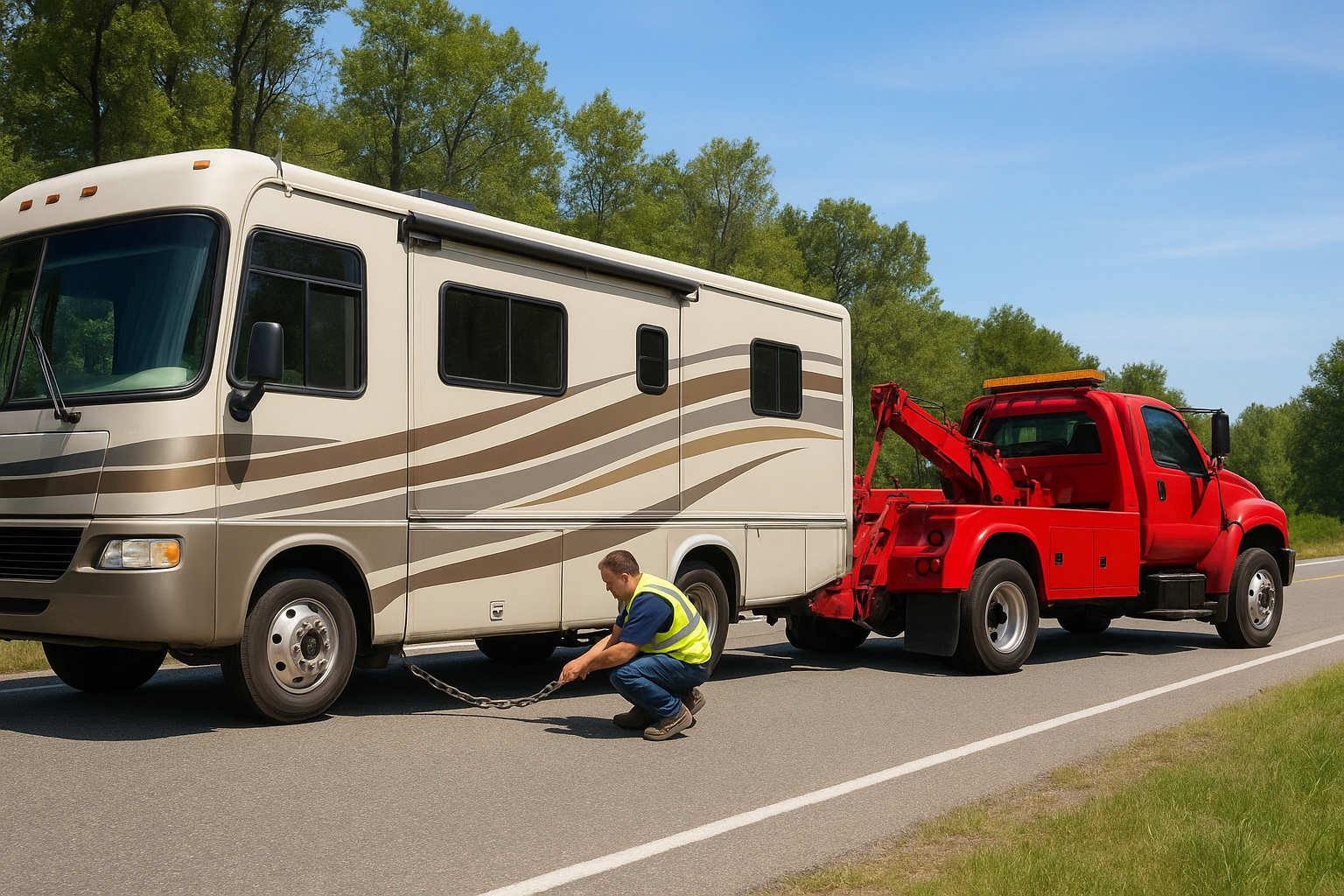
Good Sam built its reputation on RVs and campers, and that focus still shapes the plan today. If you tow a trailer up to a campground in northern Michigan or drive a motorhome down I-94 for the winter, this RV-focused roadside plan covers rigs that most standard auto plans exclude or charge extra to handle.
How it works
Members call a dedicated dispatch line built around larger vehicles, and the request routes to a contractor equipped for towing an RV, trailer, or dually truck. Standard tow trucks can’t always handle a 30-foot motorhome stuck on the shoulder of I-75 near Monroe, so Good Sam’s network specifically includes operators with the right equipment for towing an RV.
A plan built for RVs beats a standard auto plan the moment your rig is too big for a regular tow truck.
What’s covered
Coverage includes towing sized for RVs and trailers, jump starts, tire changes, lockout service, and fuel delivery. Higher tiers add extras like tire and wheel repair reimbursement, which matters if you’re running dual rear tires that cost more to replace than a standard sedan tire.
Cost
Pricing sits above basic auto club plans because of the specialized equipment involved, though it’s still reasonable next to what you’d pay out of pocket for an emergency heavy tow. Multiple membership tiers let you scale coverage up if you tow frequently or down if you only take a couple of trips a year.
Who it’s best for
Good Sam fits Detroit-area RV owners and anyone hauling a trailer to a lake house or campground on weekends. Daily commuters in a regular sedan or SUV get little value here since the plan is priced and built around larger vehicles they’ll never own.
6. Better World Club membership
Better World Club markets itself as the eco-conscious alternative to the big auto clubs, and that positioning matters to Detroit drivers who want their membership dollars supporting environmental causes rather than just another corporate call center. Founded by former Sierra Club staffers, the club donates a portion of every membership to environmental cleanup and advocacy work, which sets it apart from most cheap roadside assistance plans on this list.
How it works
Members call a 24/7 dispatch line or use the mobile app, and Better World Club routes the request to a network of contracted tow providers, similar to how AAA operates. Detroit membership works the same way it does anywhere else in the country, so response times still depend on which local contractor is available near the Southfield Freeway or Woodward corridor when you call.
A greener membership still runs on the same contractor network as the big auto clubs, so response speed doesn’t really change.
What’s covered
Standard plans include towing, jump starts, flat tire changes, car lockout service, and fuel delivery, matching most competitors on this list. A distinctive perk here is bicycle roadside assistance, a rare add-on that appeals to Detroit’s growing cycling community along the Dequindre Cut and riverfront trails.
Cost
Membership pricing runs close to AAA’s basic tier, making it a middle-of-the-road option rather than one of the cheapest roadside assistance plans available. Higher tiers add extended tow distance and trip interruption coverage for a bit more per year.
Who it’s best for
Better World Club suits environmentally minded Detroit drivers who want their membership fee to do double duty. Cyclists and commuters who bike part of the year get real value from the bicycle coverage that most competitors skip entirely.
7. USAA roadside assistance for military families
USAA built its reputation serving military members and their families, and the roadside coverage follows the same philosophy: straightforward benefits with none of the upsell pressure you get from some insurers. Detroit has a solid veteran and active-duty population thanks to Selfridge Air National Guard Base up in Macomb County, so this plan shows up often when local service members compare top rated roadside assistance plans for their households.
How it works
Qualified members add roadside coverage to an existing USAA auto policy, then request help through the USAA app or by phone when something goes wrong. USAA doesn’t run its own tow trucks. It dispatches through a network of local contractors, so a breakdown on I-94 near the Detroit border still routes to whichever provider is available that night, the same as most insurance-based add-ons.
USAA’s benefits are generous, but membership eligibility is the real gatekeeper here, not price or coverage.
What’s covered
Standard coverage includes towing, jump starts, flat tire changes, lockout service, and fuel delivery, with towing distance that tends to run a bit more generous than comparable insurance add-ons. Some tiers also cover winching if your car slides off the road during a Michigan snowstorm, which regular add-ons often exclude or charge extra for.
Cost
Pricing sits low, often just a few dollars a month tacked onto your existing policy, putting it firmly among the cheapest roadside assistance plans on this list. The catch is eligibility, since only military members, veterans, and their families qualify for a USAA policy at all.
Who it’s best for
This plan fits military families in Metro Detroit who already bank with USAA and want an affordable add-on. Everyone else won’t qualify, no matter how good the coverage looks on paper.
8. Credit card roadside assistance benefits
Some credit cards, especially travel rewards cards from Chase, American Express, and Citi, quietly include roadside assistance as a cardholder perk. Most Detroit drivers never activate it because nobody reads the fine print buried in the cardholder agreement, but if you’re carrying one of these cards, you might already have a backup roadside plan sitting in your wallet.
How it works
You call a number listed on the back of your card or in the benefits guide, and the request routes to a third-party dispatch service, similar to how insurance add-ons work. Nothing here is automatic. You have to know the benefit exists, find the right phone number while you’re stranded near the Rouge River, and often pay for the service upfront before submitting for reimbursement.
A card perk only helps if you know it exists before the night you’re stuck on I-94 in the sleet.
What’s covered
Coverage usually includes a basic tow, jump start, lockout service, and flat tire change, capped at a small number of uses per year. Limits are strict, and most cards cap reimbursement per incident, so a heavier tow or a longer distance can leave you paying the difference out of pocket once you see what a tow truck actually costs in Detroit.
Cost
There’s no separate membership fee since the benefit rides on a card you already carry, which makes it technically one of the cheapest roadside assistance plans around, at least on paper. The real cost shows up in reimbursement paperwork and annual usage caps that catch people off guard.
Who it’s best for
This fits occasional drivers who rarely need roadside help and don’t want to pay for a dedicated plan. Anyone who breaks down more than once or twice a year outgrows the caps fast.
9. Manufacturer roadside assistance warranties
Buy a new Ford, GM, Toyota, or Honda in Metro Detroit and roadside coverage often rides along free for the first few years, bundled into the factory warranty. It’s an easy plan to forget about since nobody signs up for it separately, but if your car is still under warranty, you likely already have this manufacturer roadside coverage sitting unused.
How it works
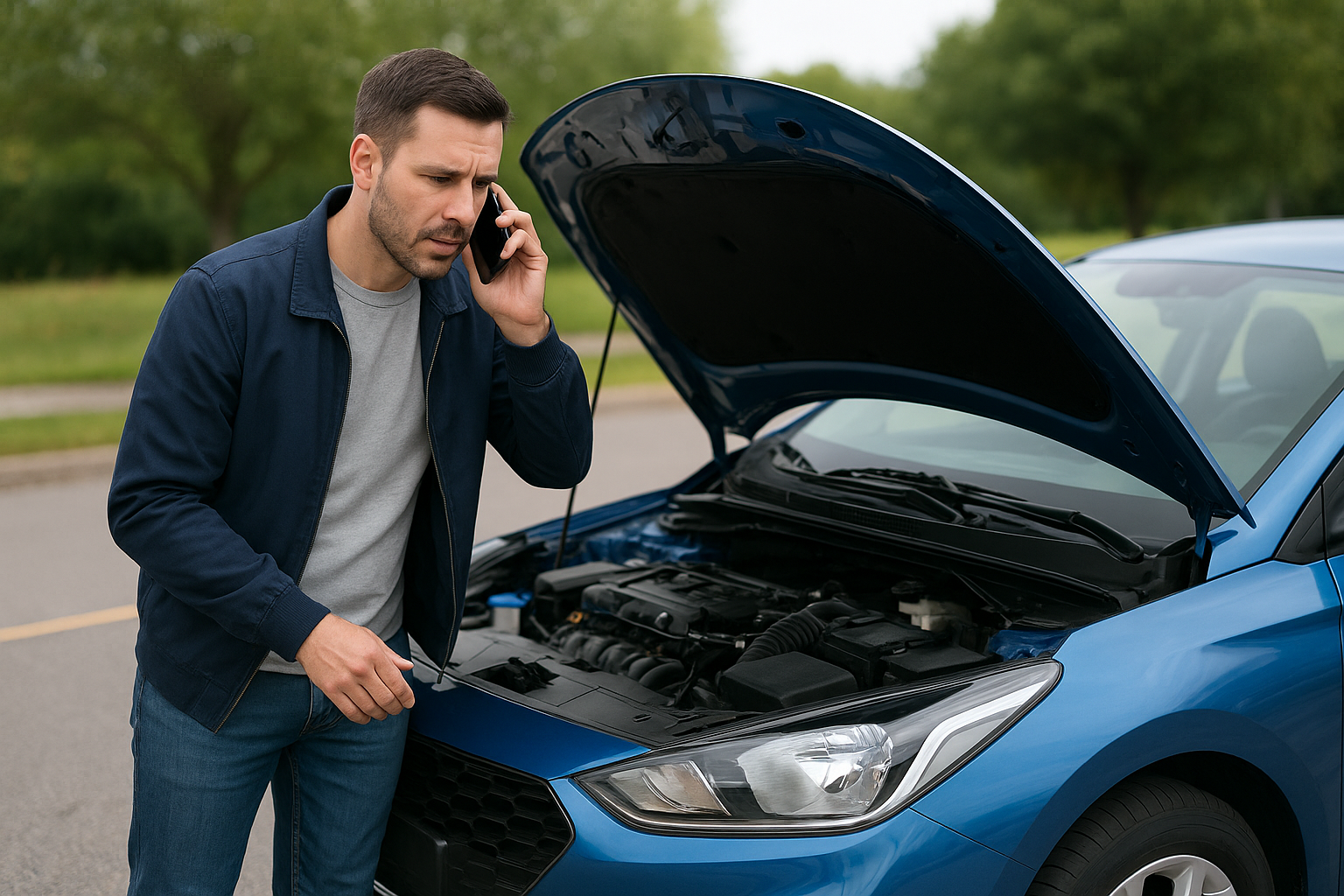
Dealers activate the benefit automatically at purchase, tied to your VIN rather than a membership card. You call the number in your owner’s manual or use the automaker’s app, and the request routes through a national contractor network, the same setup GM and Ford use for stranded drivers everywhere from Livonia to Lansing.
Free coverage from the dealer only lasts as long as the warranty clock, so check your paperwork before you assume you’re covered.
What’s covered
Standard coverage includes the usual roadside services like towing to the nearest dealership, jump starts, lockout service, flat tire changes, and fuel delivery, typically for three years or 36,000 miles. Some brands like Hyundai and Kia stretch coverage to five years, which matters if you’re driving an older lease near Dearborn.
Cost
There’s no separate charge since it’s baked into the vehicle price, making this effectively free during the warranty window. Once the warranty expires, though, the coverage disappears entirely unless you buy an extended plan through the dealer.
Who it’s best for
Owners of newer vehicles still under factory warranty get real value here without lifting a finger. Drivers with older cars, or anyone whose warranty already lapsed, need a real backup plan and a clear idea of what to do when the car breaks down instead of assuming the dealer still has their back.
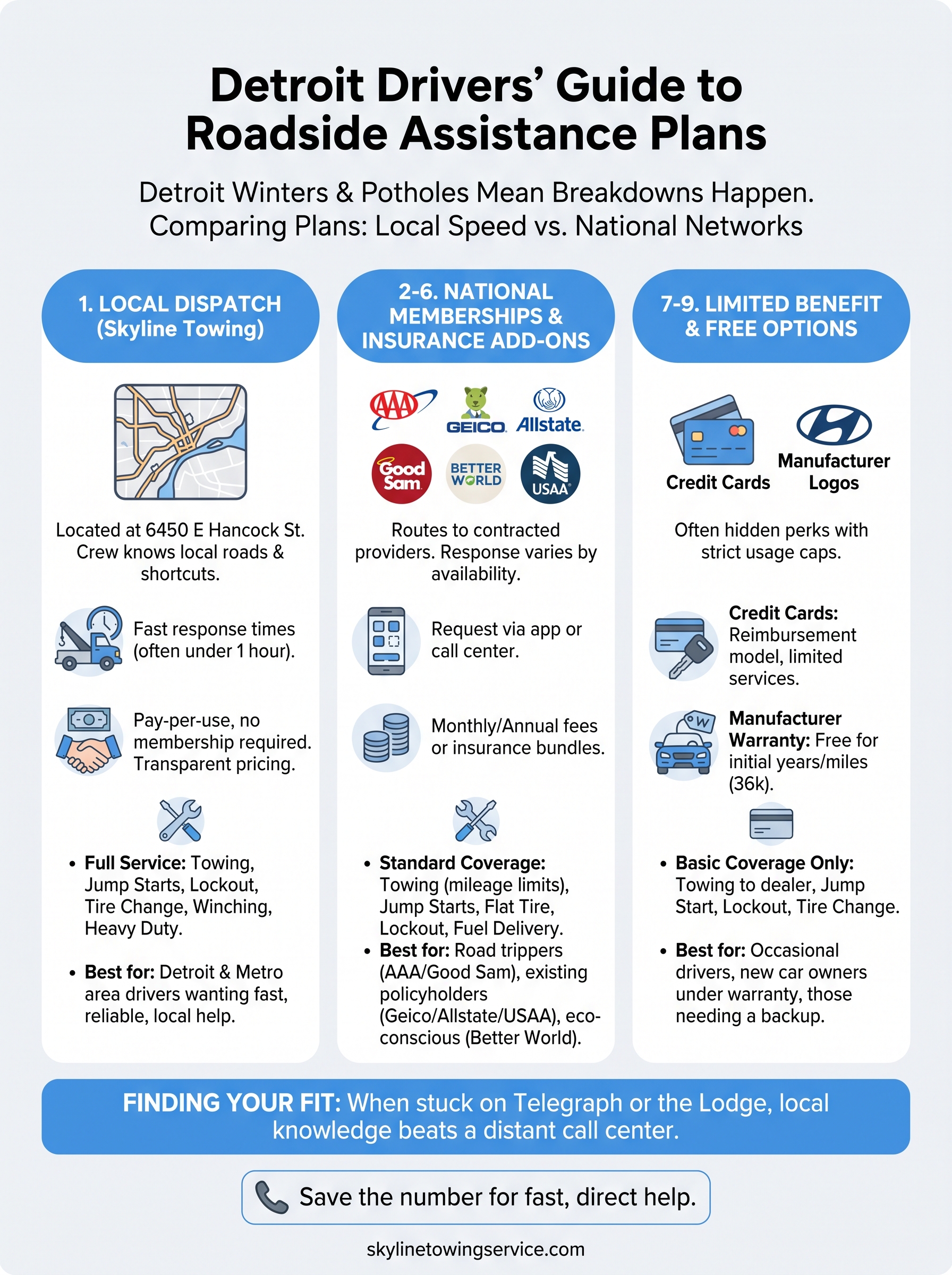
Finding the right fit for your Detroit drive
Nine plans, nine different tradeoffs. National memberships like AAA and Good Sam make sense if you cross state lines often or haul an RV up north. Insurance add-ons from Geico and Allstate work fine as cheap backups, and manufacturer warranties cover newer cars for free until that clock runs out. But when you’re actually stuck on Telegraph Road at midnight or buried in a snowbank off the Lodge Freeway, none of that matters as much as who shows up and how fast.
That’s the gap local dispatch fills. Detroit drivers who want a crew that knows these roads, answers the phone with a real person, and quotes honest pricing before the truck rolls out get more value than a rotating contractor list ever offers. Skip the guesswork on your next breakdown and call Skyline Towing directly for 24/7 roadside help anywhere in Metro Detroit. Your best roadside assistance plan might just be a phone number saved before you need it.